Water Softener
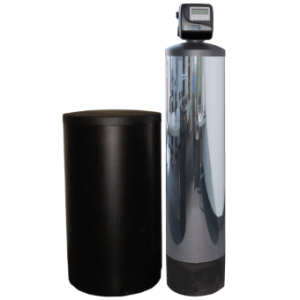
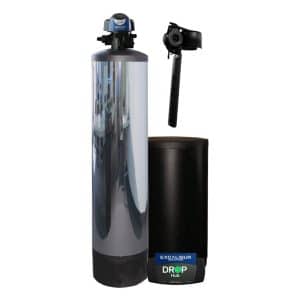
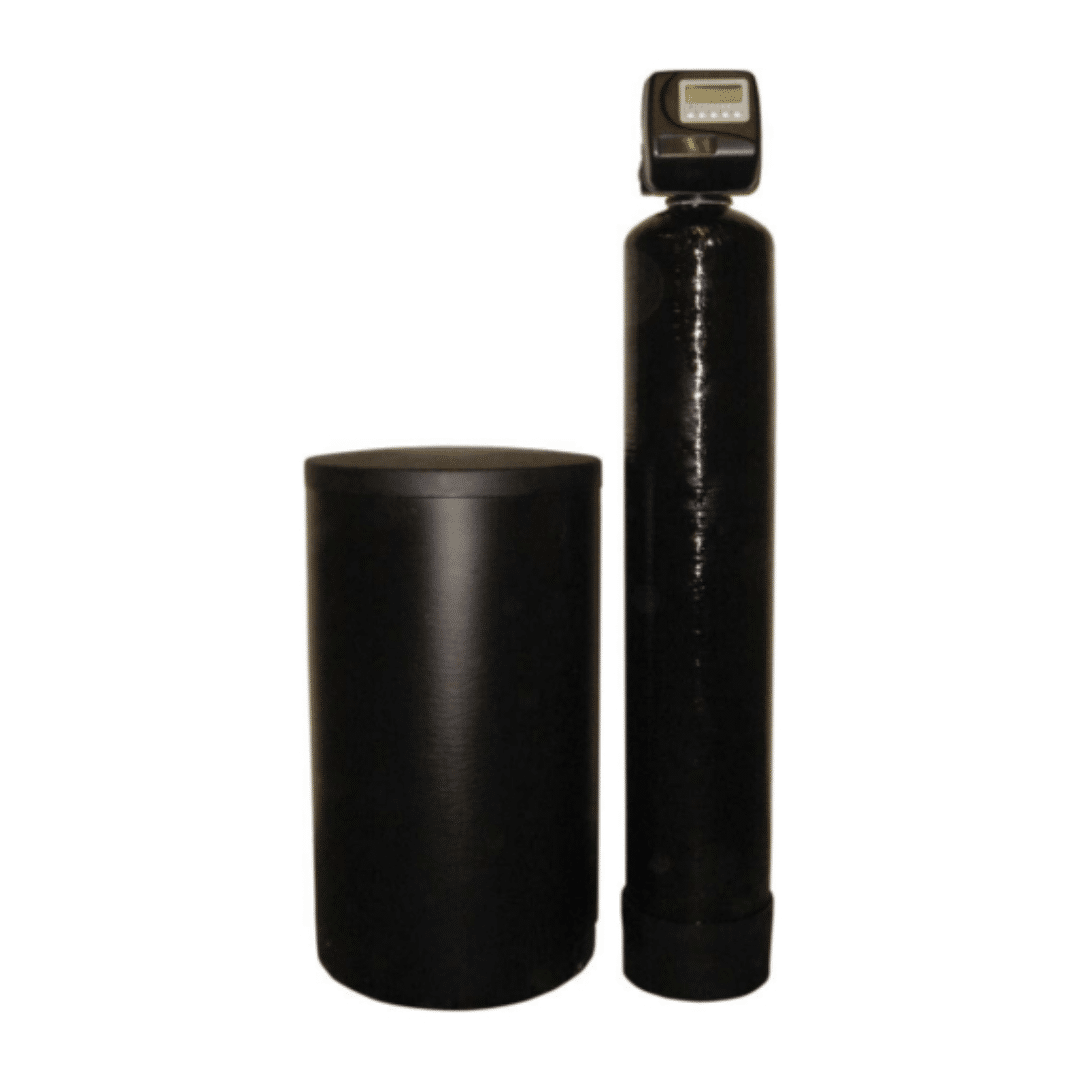
WaterHub Water Softener is ideal for whole-home water softening. It allows for the removal of common household contaminants, such as calcium and magnesium, giving your family soft, silky water without hardness.
Resin Volume |
Manufacturer Warranty |
Tank Size |
|---|---|---|
|
45 000 Grain |
7 years |
10″ X 54″ |
*Financing price includes installation and tax, 144-month amortization period (customizable). Open loan (it can be paid off anytime) OAC. Products can also be purchased with a one-time payment.
Financing Available
Upgrade your water quality with the EliteFlow Series Softener. This cutting-edge system effortlessly removes clear water iron up to 5 ppm, thanks to its advanced turbulator technology. Its state-of-the-art computerized system calculates precise cleaning efficiency for every drop of water, ensuring optimal performance. With power cell and hydro-interruption protection, it operates safely on 12 Volt AC power. The water-saving design, combined with on-demand regeneration, means you’ll save money and resources, using less salt and water. It’s also salt-free compatible when using potassium. The high-flow control valve guarantees a constant supply of soft water for even the most demanding households. Plus, it comes with a 7-year manufacturer’s warranty, all manufactured in Canada. Upgrade to the EliteFlow Series Softener and experience superior water quality effortlessly.
Key Features
- Ideal for active households
- High-quality Aldex resin media made in Canada
- Efficient water softening system
- Automatic on-demand regeneration
- Clack Control Valve
- High-flow water distribution system
- Clearwater Iron removal capabilities
- Electronic control system for easy set-up
- 12 Volt AC for safe operation
- Saves money, uses less salt and water
- Includes Bypass valve
- 7-Year Manufacturer Warranty
A water softener is designed to treat hard water by removing minerals such as calcium and magnesium, which can accumulate in plumbing and on appliances, causing damage and inefficiency. The device works by passing hard water through a resin bed filled with charged beads. These beads attract and hold onto the minerals, replacing them with sodium ions, which do not form scale or residue.
Hard water is characterized by a high concentration of minerals, primarily calcium and magnesium. These minerals can create challenges throughout the home, including soap scum on dishes, lime buildup on taps and showerheads, and decreased efficiency and lifespan of water-using appliances.
A water softener, softens water through several steps:
Ion Exchange: The core process where calcium and magnesium ions are exchanged for sodium or potassium ions.
Regeneration: When the resin becomes saturated with mineral ions, it is regenerated with a brine solution that restores its sodium or potassium levels.
Backwash: This process flushes out the accumulated minerals and any dirt from the resin tank.
Rinsing: The resin tank is flushed with fresh water to prepare it for the next cycle.
While both processes improve water quality, they serve different purposes. Water filtration targets a broad range of contaminants such as bacteria, viruses, and chemicals, making water safe and pleasant to taste. Water softening specifically targets the hardness of water caused by minerals like calcium and magnesium, addressing the issues of scaling and soap inefficiency.
Grain capacity is a measure of a softener’s ability to remove hardness minerals from water before needing to regenerate. It's calculated by multiplying the number of gallons used per day by the grains of hardness per gallon. This capacity helps in sizing the right softener for a household.
Salt is essential in the regeneration phase of the softening process. It's important to maintain an adequate salt level and ensure the brine tank is clean to prevent issues such as salt bridging, where salt forms a hard crust, preventing it from dissolving into the water to form brine.
Most modern water softeners come with a battery backup system to maintain settings during a power outage. This means that even if power is lost, the softener will continue to operate effectively once power is restored, with only the clock potentially needing adjustment.
Water softeners are designed to be energy-efficient, often using no more electricity annually than a small household appliance like an alarm clock.
The amount of water used during regeneration is comparable to what is used in an average laundry cycle, emphasizing the system’s efficiency.
It is normal to have 5 to 10 inches of water at the bottom of the salt storage tank.
Demand regeneration is a feature that calculates the softening needs based on actual water usage rather than on a set schedule. This efficient system ensures that the softener only regenerates when necessary, conserving both salt and water.
For those using city water, the local municipality typically provides water hardness information. Those with private wells will need to conduct a water test to determine hardness levels.
A water softener should be installed in a location close to the main water supply line to treat the water as it enters your home. It requires a level platform, an electrical outlet for power, and a drain for discharging water during regeneration cycles.
Excalibur Water Systems is the only OEM water softener manufacturer in Canada that utilizes Aldex resins. Aldex strong acid cation water softening resins have a proprietary non-solvent sulfonation process combined with unique manufacturing techniques creating the premium choice for water softener resin around the world. Aldex water softening resins are 100% non-solvent and will never have organic chloride leakage – ever! Aldex resins have a low moisture content which ensures a long service life. When oxidants such as chlorine and chloramine increase in potable water supplies, Aldex has a suite of resins with higher cross-link levels and capacities that offer greater resistance to degradation from oxidative attack.